Introduction
You wake up, look into the mirror, and there they are again.
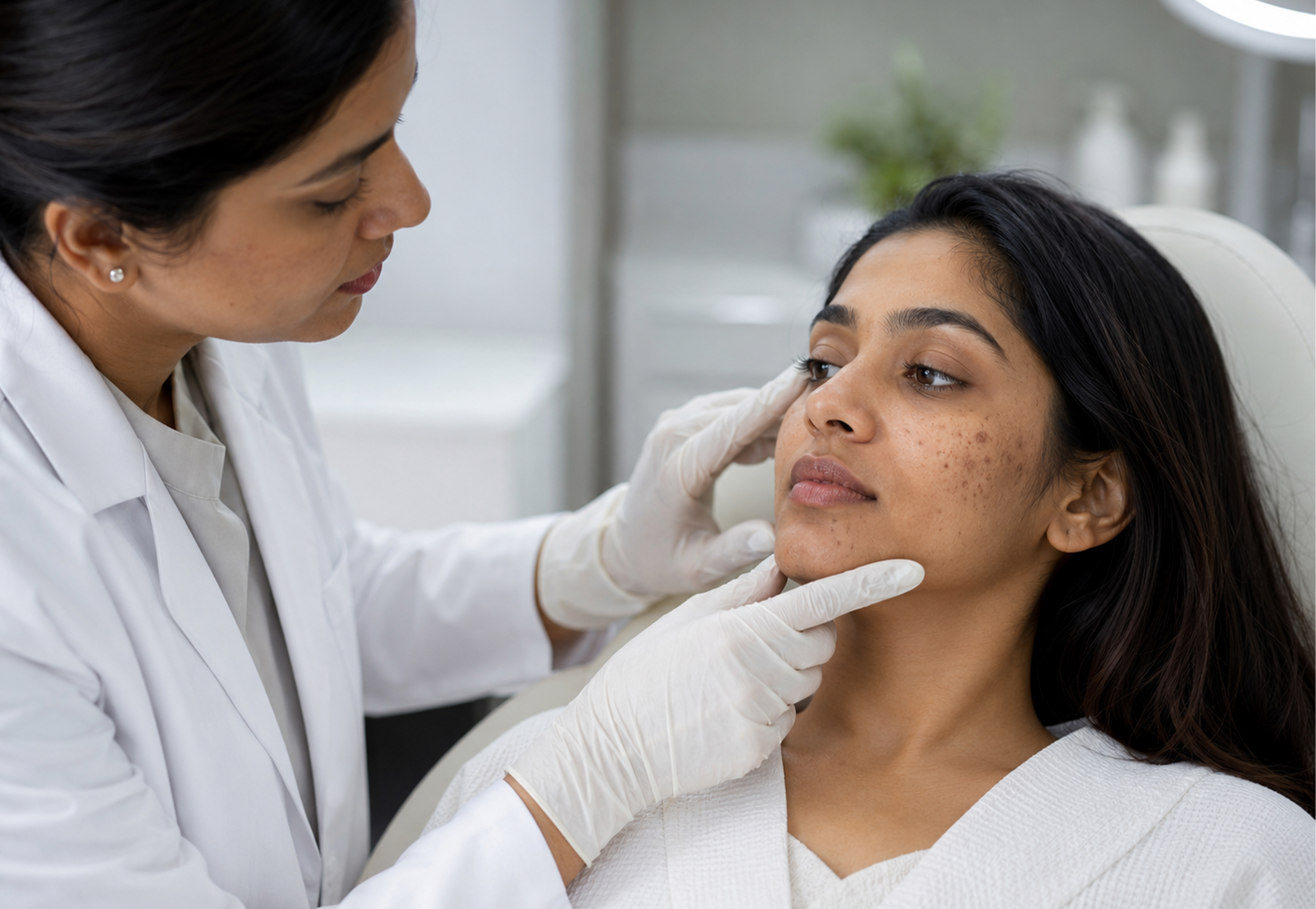
The stubborn dark spots across your cheeks. The marks left behind by acne months ago. The uneven skin tone that no concealer completely hides.
If you have been searching for a trusted skin clinic in Rohini that focuses on treating the root cause of pigmentation instead of only surface symptoms, you are in the right place.
Many people try creams, serums and home remedies for months without seeing real improvement because dark spots often begin deeper within the skin.
The good news is that modern dermatology treatments can safely and effectively reduce pigmentation and improve overall skin clarity.
Why Do Dark Spots Appear?
Dark spots, also known as hyperpigmentation, occur when certain areas of the skin produce excess melanin.
Melanin is the pigment responsible for skin color. When it is produced unevenly, darker patches begin to appear.
Common Causes of Dark Spots
1. Sun Damage
UV rays stimulate excess melanin production and lead to tanning, sunspots and uneven pigmentation.
Consulting the best skin specialist in Rohini can help determine whether sun exposure is the primary cause of your pigmentation.
2. Post-Acne Marks
After acne heals, inflammation often leaves behind dark marks known as post-inflammatory hyperpigmentation (PIH).
3. Hormonal Changes
Hormonal pigmentation such as melasma commonly affects women and appears as symmetrical patches on the face.
4. Aging
As skin renewal slows with age, pigmentation gradually becomes more visible and difficult to fade naturally.
Best Clinical Treatments for Dark Spots
1. Chemical Peels
Chemical peels are among the most effective and trusted treatments for pigmentation.
They work by exfoliating damaged upper skin layers and encouraging fresh skin regeneration.
Different peels target different concerns:
- Glycolic acid peels for dullness and mild pigmentation
- Salicylic acid peels for acne-related dark spots
- TCA peels for deeper pigmentation
Most patients require 4–6 sessions spaced a few weeks apart for best results.
If you are searching for chemical peels in Rohini, proper skin assessment before treatment is extremely important.
2. Laser Treatments
For deeper or stubborn pigmentation, laser treatments can provide targeted correction.
Lasers use focused light energy to break down excess pigmentation within the skin.
The fragmented pigment is naturally removed by the body over time.
Modern FDA-approved technologies provide safer and more precise treatment for different skin tones.
Choosing experienced professionals is essential for safe and effective outcomes.
3. Q-Switched Laser
Q-Switched laser treatment is specifically designed for pigmentation correction.
It uses ultra-short pulses of energy to target melanin without damaging surrounding skin.
Q-Switched Laser May Help With:
- Sunspots
- Tanning
- Post-acne marks
- Uneven skin tone
- Melasma
This treatment is especially popular for Indian skin tones when performed carefully by experienced dermatologists.
If you are searching for a dermatologist near me for pigmentation or laser treatments, always verify that the clinic uses medically approved equipment.
4. HydraFacial with Brightening Boosters
HydraFacial treatments with brightening serums help improve mild pigmentation and overall dullness.
The treatment cleanses, exfoliates and infuses antioxidants and hydrating ingredients into the skin.
It is an excellent option for people beginning professional skincare treatments.
If you are looking for a hydra facial clinic near me in Rohini, ask whether the clinic offers medically supervised HydraFacial sessions customized for your skin concerns.
5. Medi-Facials for Pigmentation
Unlike salon facials, medi-facials use clinical-grade ingredients designed for specific skin concerns.
Pigmentation medi-facials often include ingredients like:
- Kojic acid
- Niacinamide
- Brightening serums
- Antioxidants
These treatments support gradual improvement in skin tone and texture.
Which Treatment Is Right for You?
| Concern | Recommended Treatment |
|---|---|
| Mild dullness | HydraFacial or superficial peel |
| Post-acne dark marks | Salicylic peel or Q-Switched laser |
| Sun damage and tanning | Glycolic peel, TCA peel or laser |
| Melasma | Combination of peels and Q-Switched laser |
| Deep pigmentation | Laser resurfacing treatments |
In many cases, combination treatments deliver the best long-term results.
A dermatologist can evaluate your skin and create a personalized treatment plan according to your concerns and skin type.
What to Do Between Treatments
1. Use Sunscreen Daily
Sun exposure is one of the biggest causes of recurring pigmentation.
Daily sunscreen use is essential for maintaining treatment results.
2. Use Vitamin C Serum
Vitamin C helps reduce excess melanin production and supports brighter skin.
3. Avoid Picking Acne or Skin
Picking acne can worsen pigmentation and increase healing time.
4. Follow Dermatologist Instructions
Proper aftercare after peels or laser sessions directly affects the final outcome.
Frequently Asked Questions
1. How many sessions are needed?
The number of sessions depends on the type and severity of pigmentation.
Mild pigmentation may improve within 3–4 sessions while deeper pigmentation may require longer treatment plans.
2. Can dark spots come back?
Yes, pigmentation can return if proper sun protection and skincare maintenance are not followed.
3. Are these treatments safe for Indian skin?
Yes, when performed correctly using proper techniques and medically approved equipment.
4. Can pigmentation treatments be combined with other treatments?
Yes, many patients combine pigmentation treatments with HydraFacial, anti-aging and laser procedures under professional supervision.
5. Is there downtime after treatment?
Chemical peels may cause mild peeling for a few days, while some laser treatments may cause temporary redness or swelling.
HydraFacial treatments usually involve no downtime.
Conclusion
Dark spots are one of the most common skin concerns — and also one of the most treatable when approached correctly.
While creams and home remedies may help surface pigmentation, treatments like chemical peels, Q-Switched lasers and laser resurfacing target pigmentation more effectively and deeply.
The most important step is proper skin evaluation before starting any treatment.
At MISAKI Skin Clinic, every pigmentation treatment begins with detailed skin assessment and personalized planning.
With advanced FDA-approved technologies and experienced skin experts, our goal is to help you achieve healthier, clearer and naturally glowing skin safely and effectively.