Infected Acne Treatment: Causes, Symptoms, and Expert Solutions for Clear Skin
Acne is among the most frequent skin issues for teenagers and adults alike. But when a pimple is just red and swollen and painful, it could have morphed into infected acne. Unlike regular breakouts, acne can cause the growth of bacteria, severe inflammation, and a greater chance of permanent scarring if not treated. A lot of people attempt to deal with the problem at home by using over-the-counter creams; however, acne that is infected usually requires medical attention from a professional for healing.
This is when the expertise of acne treatment in Rohini is essential. With the correct diagnosis and specific treatment, acne that is infected is able to be managed before it causes damage to the skin's texture and leaves behind a smudge of scars. Our method combines the expertise of a medical professional with cutting-edge technology to help patients attain healthier, clearer skin without taking unnecessary risks.
What is Infected Acne?
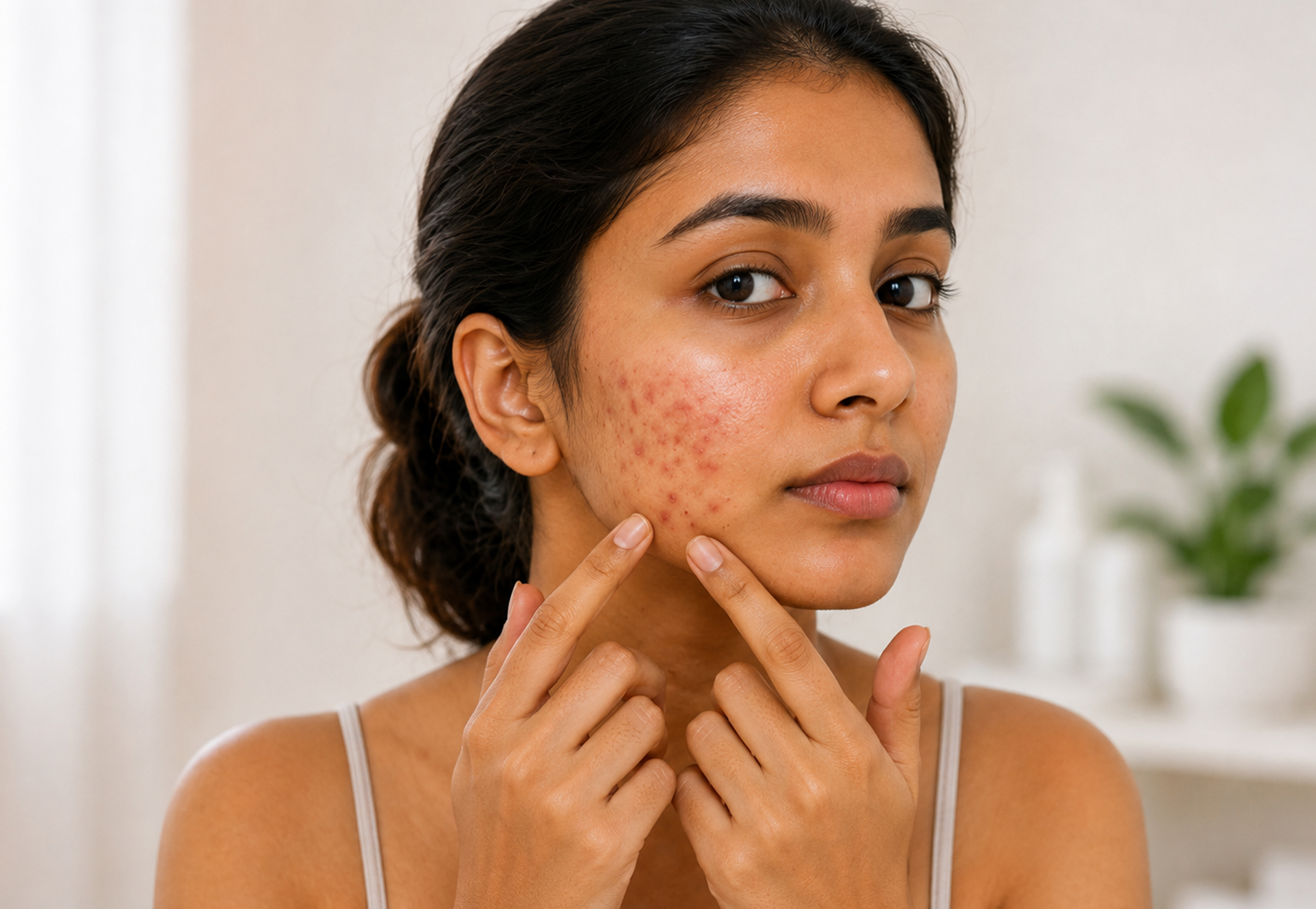
Infected acne is when a pimple lesion is invaded by bacteria, resulting in more inflammation, pus formation, and tenderness. Acne is a normal process due to the fact that oil (sebum) along with dead skin cells block pores. However, infected acne takes it a step further: Bacteria multiply within the blocked follicles, which triggers your immune system to react with swelling, redness, and discomfort.
The primary distinction between normal acne and infected acne is the severity and the potential risk. A typical blackhead or whitehead tends to be mild and disappears with simple skin care. Acne that is infected, on the other hand, can be more severe, painful, and swollen and takes longer to heal. If the acne is picked and squeezed repeatedly or ignored, the bacterial infection could be spread to the surrounding skin, which increases the chance of permanent scarring as well as hyperpigmentation.
Common Causes of Infected Acne
Excess Oil Production
Sebaceous glands with excessive activity produce oil that blocks pores, providing the perfect environment for bacterial growth and spreading infection.
Bacterial Infection
Sebaceous glands with excessive activity produce oil that blocks pores, providing the perfect environment for bacterial growth and spreading infection.
Hormonal Changes
Hormone fluctuations, particularly during the menstrual cycle, puberty, or pregnancy, or because of issues such as PCOS, are known to increase the production of oil and can cause the severity of acne, making infections more likely.
Poor Skincare Habits
Utilizing harsh cosmetics, not cleaning properly, or even sleeping while wearing makeup allows bacteria and dirt to build up on the skin, causing acne.
Picking or Squeezing Pimples
Popping or touching pimples will push bacteria further into the skin, frequently making a minor pimple an infected, painful lesion with a greater chance of scarring.
Stress and Lifestyle Factors
Stress, sleep deprivation, smoking, chronic stress, and a poor diet can alter the hormonal balance and weaken skin's natural defenses, which can lead to acne that is severe and infected.
Symptoms of Infected Acne
The early detection of acne-related problems can prevent further complications. The most common signs are:
- The affected area is red
- The appearance of swelling or puffiness is visible
- Itchy bumps that hurt to the touch
- Pus-filled pimples, which can leak out
- The skin feels tight beneath the skin
- Itching and irritation to the skin around the lesion
- Dark marks or acne scars following the healing process
If you are experiencing multiple symptoms in a row, including pus and pain, this is an indication that you require expert acne treatment in Rohini instead of home treatments.
Types of Severe Acne That May Become Infected
Cystic Acne
Large, fluid-filled lesions develop deep under the skin. Cystic acne can be painful and very susceptible to infection because of its size and the extent of inflammation.
Nodular Acne
Inflamed, hard lumps form underneath the skin's surface. Nodules seldom come to an extent that they require medical attention for proper healing.
Pustules
Inflamed, small bumps that are filled with yellow or white pus. Pustules are an obvious indication of bacterial activity and active infection.
Acne Conglobata
A rare, yet severe, type of acne that is characterized by interconnected abscesses and nodules. It is highly inflammatory and almost always requires aggressive, severe acne treatment.
Why You Should Not Ignore Infected Acne
In the absence of treating acne, it can have long-term consequences that extend beyond the discomfort of a single day:
- Risk of permanent scars – Deep infections can damage the skin's tissue, resulting in bumps or raised scars
- Increased inflammation – Untreated infections may spread to nearby hair follicles, which can cause breakouts
- Hyperpigmentation – Dark spots typically stay on your skin after the acne has cleared
- Skin infection spread—Bacteria can spread into adjacent pores, causing the overall health issues
- Emotional impact and reduced confidence—Persistent visible acne may affect confidence in yourself and mental health
Seeking timely acne treatment in Rohini can prevent these complications and protect both your skin and your confidence.
Professional Infected Acne Treatment Options
Medical Evaluation by a Dermatologist for Acne in Rohini
The initial and most crucial first step is establishing a clear diagnosis. A certified dermatologist for acne in Rohini will inspect your skin, determine the kind of acne and its severity, and rule out root causes, such as hormonal imbalance.
Prescription Medications
Oral or topical antibiotics and prescriptions for retinoids and anti-inflammatory drugs are commonly prescribed to combat inflammation and bacteria of acne.
Chemical Peels
Chemical peels of medical grade help to remove old skin cells. They also clear pores and lessen the appearance of active breakouts while also improving the overall texture of your skin.
Acne Removal Treatment
Specific procedures that safely remove and treat infected, stubborn lesions in sterile, controlled clinical conditions, which reduces the possibility of scarring.
Laser Therapy
Laser treatments target bacteria that cause acne. They also reduce the activity of oil glands which makes them beneficial for active acne as well as the marks left behind by it.
Blue Light Therapy
This non-invasive procedure uses the power of light to destroy bacteria that cause acne on your skin's surface. It also helps reduce inflammation without harmful chemical treatments.
PRP-Based Skin Rejuvenation
Platelet-Rich Plasma (PRP) therapy encourages natural healing and repair of the skin, frequently used in conjunction with other treatments to improve skin texture following acne scarring.
Customized Severe Acne Treatment Plans
Each patient's skin is unique. Combining cosmetic and medical treatments specific to the individual's skin type, as well as severity, will yield faster and more secure results.
Acne Scar Treatment in Rohini
Although acne that has been infected heals, scars remain an enduring reminder. The deep layers of the skin get affected by the inflammation process and disrupt collagen production. Fortunately, several advanced options for acne scar treatment in Rohini can significantly improve skin appearance.
Microneedling
The procedure causes small, controlled micro-injuries within the skin, which boost collagen production, gradually smoothing out acne scars with time.
Fractional Laser
Fractional laser therapy targets scar tissue on a deeper level, promoting skin renewal and dramatically diminishing the appearance of uneven or pitted scars.
Chemical Peels
Peels are a great way to smooth the skin, diminishing superficial marks and pigmentation, while also improving the overall tone of skin and texture.
Combination Treatments
Most often, the most effective results result from the combination of microneedling, laser treatment, and peels within the form of a plan for treatment designed by a dermatologist.
Home Care Tips to Support Acne Treatment
Professional treatment may be crucial for acne that is infected, proper home care aids in faster healing and can prevent future breakouts.
Gentle Cleansing
Cleanse your face twice a day using a gentle cleanser, sulfate-free and gentle enough to take away any excess oil and dirt without irritation to the skin.
Non-Comedogenic Products
Make sure to use products for skincare and makeup with the label "non-comedogenic" to prevent clogging of pores more.
Avoid Picking Acne
Avoid the temptation to touch or squeeze pimples, since this could aggravate inflammation and increase the risk of scarring.
Healthy Diet
A healthy diet that is rich in vegetables and fruits, along with whole grains and less processed and sugary foods, can minimize acne flare-ups.
Hydration
Drinking plenty of water aids in skin healing and assists in flushing out the toxins that contribute to breakouts.
Sun Protection
The use of daily sunscreens protects your complexion from UV damage, which could cause acne scars to darken and delay healing.
When Should You Visit an Acne Specialist in Rohini?
While mild acne can often be managed at home, certain signs indicate it's time to consult an acne specialist in Rohini:
- Acne that is persistent and doesn't get better when using prescription medications
- Acute, painful cystic acne that is deep and painful
- Regular or repeated breakouts
- The visible acne scars can alter your skin's texture
- Dark spots or skin discoloration following healing
A timely consultation can stop infected acne from getting worse, and also reduce the long-term damage to your skin.
Frequently Asked Questions (FAQs)
Q1. What is the best treatment for infected acne?
The most effective treatment is dependent on the severity but typically is the use of prescription medications and professional acne treatments and a supportive skin care regimen under the guidance of dermatologists.
Q2. Can infected acne go away on its own?
The mild cases can improve by themselves, but infected skin with swelling, pus, or pain usually requires medical attention to heal and to avoid the formation of scars.
Q3. How long does severe acne treatment take?
The length of treatment depends on the severity of the problem, but a majority of patients notice improvement in between a few weeks and one or two months of continuous professional treatment.
Q4. Can acne scars be removed permanently?
Although complete removal isn't always certain, treatments such as microneedling, fractional laser and chemical peels are able to significantly minimize how acne-related scars appear.
Q5. Is laser treatment effective for acne scars?
Yes, laser therapy is one very effective strategy to reduce acne scars through increasing collagen and rejuvenating damaged skin.
Q6. When should I see a dermatologist for acne?
If you notice that your pimples are bothersome or persistent, causing scars or isn't responding to normal skincare It's the right time to see an expert dermatologist for a proper assessment and treatment.
Conclusion
Acne that is infected is more than an aesthetic issue; it's a skin problem that could result in permanent acne, scars, and emotional stress when it's not treated. A prompt intervention by an expert acne therapist in Rohini will help prevent the occurrence of complications and promote healthier, clear skin in the long term. If you're suffering from painful cystic breakouts or recurring pimples or marks left behind, professional care paired with the correct acne scar treatment in Rohini can have a significant impact.
Don't let acne that is infected sabotage your confidence or affect your skin's overall health. Make an appointment with Misaki Skin Clinic today and receive expert advice for infected acne scars that are infected, serious acne treatment, and acne scar treatment, and longer-lasting clear skin.