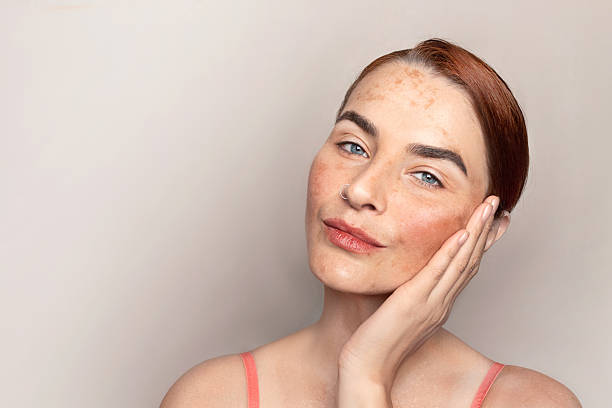
Complete Guide to Pigmentation Treatment: Remove Dark Spots, Melasma & Achieve Flawless Skin
What is Pigmentation?
Pigmentation refers to the abnormal darkening or discoloration of the skin caused by excess melanin production. Common types include dark spots, melasma (chloasma), freckles, and post-inflammatory hyperpigmentation. While not dangerous, pigmentation issues can significantly affect your appearance and confidence.
At Misaki Skin & Hair Clinic in Rohini, we offer comprehensive pigmentation treatment solutions using advanced laser technology and specialized dermatological procedures.
Causes of Pigmentation
1. Sun Exposure
Prolonged UV radiation is the primary cause of dark spots, solar lentigines, and uneven skin tone. Sun exposure triggers melanocytes to produce excess melanin as a protective mechanism.
2. Hormonal Changes
Melasma is often triggered by hormonal fluctuations during pregnancy (often called "chloasma gravidarum"), oral contraceptive use, or hormone replacement therapy.
3. Post-Inflammatory Hyperpigmentation (PIH)
Dark marks left after acne, eczema, or other skin injuries. This is particularly common in individuals with darker skin tones.
4. Age-Related Changes
Age spots and liver spots appear as a natural part of aging due to cumulative sun exposure over years.
5. Genetic Predisposition
Some people are genetically prone to pigmentation issues and melasma, especially those with darker skin types.
6. Certain Medications
Some medications and chemical exposures can trigger hyperpigmentation as a side effect.
Types of Pigmentation
Melasma (Chloasma)
Symmetric brown to gray patches appearing on the cheeks, nose, forehead, and upper lip. Most common in women aged 20-40 with darker skin types. Hormones play a significant role.
Post-Inflammatory Hyperpigmentation (PIH)
Dark marks remaining after acne, sunburns, or skin trauma. Usually fades over time but can be accelerated with treatment.
Solar Lentigines (Age/Sun Spots)
Flat, harmless brown spots caused by cumulative sun exposure, typically appearing on face, hands, and shoulders.
Freckles (Ephelides)
Small, light-brown spots caused by sun exposure and genetic factors. More common in fair-skinned individuals.
Acanthosis Nigricans
Velvety, dark patches often appearing in body folds, associated with insulin resistance or metabolic conditions.
Advanced Pigmentation Treatment Options
1. Q-Switched Laser Treatment (Nd:YAG)
How it works: Q-Switched lasers emit high-energy light pulses that target melanin while preserving surrounding skin. The pigmented cells are broken down and naturally eliminated by the body.
Best for: Dark spots, melasma, post-inflammatory hyperpigmentation, and tattoo removal
Benefits:
- Fast results visible within 3-5 sessions
- Safe for all skin types
- Minimal downtime
- Permanent results for most dark spots
2. Laser Toning
How it works: Low-energy laser therapy that gently targets melanin without damaging surrounding tissue. Requires multiple sessions for cumulative effect.
Best for: Melasma, overall skin brightening, and sensitive skin types
Benefits:
- Gentle and well-tolerated
- No downtime
- Suitable for sensitive skin
- Can be done during monsoon/winter for better protection
3. Chemical Peels
How it works: Chemical solutions (glycolic acid, salicylic acid, TCA) exfoliate the outer skin layers, removing pigmented cells and stimulating new skin growth.
Best for: Mild to moderate pigmentation and overall skin brightening
Benefits:
- Immediate visible improvement
- Affordable option
- Can be combined with other treatments
- Improves overall skin quality
4. Microneedling with Serums
How it works: Controlled micro-injuries trigger collagen production and improve penetration of depigmenting serums like vitamin C and kojic acid.
Best for: Post-inflammatory hyperpigmentation and combination treatment
Benefits:
- Stimulates natural skin renewal
- Works well with topical treatments
- Natural-looking results
5. Topical Depigmenting Agents
Options include:
- Hydroquinone - Gold standard for melasma
- Retinoids - Increase skin turnover and reduce melanin
- Kojic Acid - Natural depigmenting agent
- Vitamin C - Powerful antioxidant and brightener
- Niacinamide - Regulates sebum and melanin
- Azelaic Acid - Particularly effective for PIH in darker skin
Treatment Timeline & Results
Q-Switched Laser
- Sessions needed: 3-5 (one month apart)
- Results visible: After 1st session
- Optimal results: 2-3 months
- Maintenance: 1 session annually
Laser Toning
- Sessions needed: 6-10 (weekly)
- Results visible: Progressive improvement
- Optimal results: 3 months
- Maintenance: Monthly sessions
Chemical Peels
- Sessions needed: 4-6
- Results visible: Immediate after each peel
- Optimal results: 2-3 months
- Maintenance: Quarterly peels
Pigmentation Treatment at Misaki Rohini
Step 1: Comprehensive Skin Assessment
Our dermatologists use advanced analysis to determine pigmentation type, depth, and severity. This helps select the most effective treatment.
Step 2: Personalized Treatment Plan
Based on your skin type, pigmentation concerns, and goals, we recommend a customized treatment protocol - often combining multiple modalities for best results.
Step 3: Treatment Sessions
Professional application of selected treatments with precise parameters tailored to your skin.
Step 4: Advanced Aftercare
Comprehensive guidance on sun protection, topical treatments, and lifestyle modifications to maintain results.
Key Results You Can Expect
- Dark Spots: 70-90% improvement with Q-Switched laser
- Melasma: 60-80% improvement (may require maintenance)
- Post-Inflammatory Hyperpigmentation: 50-80% improvement depending on depth
- Overall Skin Brightness: Noticeable glow within 3-4 sessions
Prevention Tips
Sun Protection
- Use SPF 50+ sunscreen daily
- Reapply every 2-3 hours
- Wear protective clothing and hats
- Avoid sun during peak hours (10 AM - 4 PM)
Skincare Routine
- Use gentle cleansers
- Include vitamin C serum
- Apply retinol products at night
- Use hydrating moisturizers
Lifestyle Modifications
- Maintain healthy diet rich in antioxidants
- Stay hydrated
- Manage hormonal fluctuations
- Avoid triggering medications if possible
- Manage stress levels
Who Can Get Pigmentation Treatment?
Pigmentation treatments are suitable for:
- All skin types and tones
- All ages (from teens to seniors)
- Both men and women
- Mild to severe pigmentation
Why Choose Misaki for Pigmentation Treatment?
At Misaki Skin & Hair Clinic, we provide:
- Advanced Technology: Latest Q-Switched and laser toning systems
- Experienced Dermatologists: Over 15 years of expertise
- Customized Approach: Treatment plans tailored to individual needs
- Proven Results: Thousands of satisfied patients
- Comprehensive Aftercare: Support throughout your treatment journey
- Affordable Packages: Flexible pricing options
Common Questions About Pigmentation Treatment
Q: Is pigmentation treatment painful?
A: Most treatments are well-tolerated. You may feel slight tingling or warmth during laser treatments. Topical anesthetics are applied before procedures if needed.
Q: How long do results last?
A: Results for dark spots are usually permanent. Melasma may require maintenance treatments as it can recur with sun exposure or hormonal changes.
Q: Can I combine pigmentation treatments with other procedures?
A: Yes! Pigmentation treatments work well with injectables, microneedling, and facials. Our dermatologists will create a comprehensive plan.
Q: Is there any downtime?
A: Most treatments have minimal to no downtime. Laser treatments may cause slight redness for a few hours. Chemical peels may cause light peeling for 2-3 days.
Q: Why do I need multiple sessions?
A: Pigmentation exists at different skin depths. Multiple sessions ensure complete removal while protecting the skin from excessive trauma.
Schedule Your Pigmentation Consultation Today
Don't let pigmentation issues hold you back! Get expert dermatological care at Misaki Skin & Hair Clinic in Rohini. Our specialists will assess your skin and create an effective treatment plan to restore your natural, radiant complexion.
Ready for Clear, Flawless Skin?
Contact Misaki Skin & Hair Clinic for a free consultation with our expert dermatologists.